 Acupuncture Times Your guide to acupuncture, Chinese herbal medicine and TCM — explore acupoints, herbs and formulas, plus the latest acupuncture research news.
Related Articles

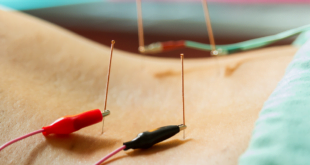
Dry needling is a treatment in which a fine, sterile needle – the same kind used in acupuncture – is inserted into a muscular ‘trigger point’ to relieve pain and muscular tension. The term ‘dry’ distinguishes it from a ‘wet’ injection: nothing is injected, the needle itself is the treatment.
What are trigger points?
A myofascial trigger point is a hyper-irritable, taut band or ‘knot’ within a muscle that is tender to pressure and can refer pain to other areas. Trigger points are associated with many common musculoskeletal complaints, from neck and shoulder pain to low back pain and headaches.
How dry needling works
Inserting a needle precisely into a trigger point can provoke a brief, involuntary ‘local twitch response’ in the muscle. This is thought to help the taut band release, reduce local biochemical irritation, improve blood flow and normalise the muscle, easing pain and restoring movement. Treatment is usually focused on the area of pain and dysfunction.
How is it different from acupuncture?
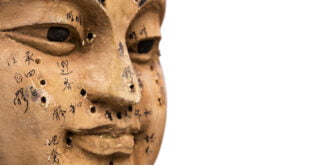
Dry needling and acupuncture both use the same filiform needles, and there is clear overlap (trigger points often coincide with classical ‘ah shi’ tender points). The differences lie in the framework and training:
- Theory – dry needling is based on Western anatomy, physiology and the trigger-point model; traditional acupuncture is based on the channels, qi and a whole-person pattern diagnosis.
- Scope – dry needling targets local muscular pain and dysfunction; acupuncture is used for a far wider range of conditions and treats the person as a whole.
- Practitioners – dry needling is often performed by physiotherapists, osteopaths and other manual therapists who have completed specific training; acupuncture is the province of acupuncturists (and some medically-qualified practitioners) who train for far longer.
What is it used for?
Dry needling is used mainly for musculoskeletal and myofascial pain – neck, shoulder, back and limb pain, tension headaches, and sports injuries – usually as part of a broader treatment plan that includes manual therapy and exercise.
What to expect
The practitioner locates the trigger point by palpation and inserts the needle into it. You may feel a brief cramp or twitch as the point releases, and the area can ache for a day or two afterwards, much like after exercise. Sessions are typically short and focused.
Safety and regulation
In trained hands dry needling is generally safe; risks are those of any needling (minor bleeding or bruising, soreness, and – rarely – more serious events such as pneumothorax if deep needling is performed carelessly near the chest). Because the same needles and skin-piercing are involved, practitioners should follow strict hygiene and clean-needle technique, and premises are usually subject to local-authority requirements. Always choose a practitioner who is properly trained and insured for dry needling.
This article is for general information only and is not a substitute for professional medical advice. Always consult a qualified, registered practitioner.