 Acupuncture Times Your guide to acupuncture, Chinese herbal medicine and TCM — explore acupoints, herbs and formulas, plus the latest acupuncture research news.
Related Articles

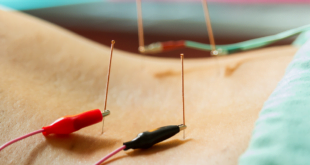

If you are considering acupuncture in the United Kingdom, it is natural to ask whether practitioners are regulated and how to be sure you are in safe hands. The honest answer is that acupuncture in the UK is not subject to statutory (government) regulation – it is largely self-regulated by the profession – but there are well-established voluntary bodies and local rules that protect the public. Here is how it works.
No statutory regulation – but voluntary self-regulation
Unlike doctors, nurses or physiotherapists, acupuncturists in the UK are not currently regulated by a statutory body. Instead, the profession is self-regulated: reputable practitioners belong to a recognised professional association that sets standards for training, conduct, hygiene, insurance and continuing education.
The main professional bodies
- The British Acupuncture Council (BAcC) – the largest body for traditional acupuncturists, with rigorous training and practice standards. Members use the letters MBAcC.
- The British Medical Acupuncture Society (BMAS) – for doctors, nurses and other healthcare professionals who use acupuncture within their conventional practice.
- Other registers exist for physiotherapists and other professionals who incorporate acupuncture or dry needling.
Training for traditional acupuncturists is typically a three-year degree-level programme, accredited (for BAcC members) by the British Acupuncture Accreditation Board (BAAB).
Local authority licensing
Although the practitioner is not statutorily regulated, the premises usually are. Under skin-piercing and hygiene rules, most acupuncture clinics must be registered or licensed by their local council to ensure safe, hygienic needling practices – though members of certain approved professional bodies may be exempt where they meet equivalent standards.
The Professional Standards Authority
Some acupuncture registers are accredited under the Professional Standards Authority’s Accredited Registers programme – a government-backed scheme that vets voluntary registers for safety and good governance. Choosing a practitioner on an accredited register adds an extra layer of reassurance.
How to choose a practitioner
- Check they belong to a recognised professional body (for example, look for MBAcC after their name).
- Confirm they are fully insured and use single-use, sterile needles.
- Ask about their training and experience, especially for your particular concern.
- Check the clinic is registered/licensed with the local authority where required.
Is this likely to change?
There have been long-running discussions about whether acupuncture should move to statutory regulation, but at present it remains voluntary. Regulations and the status of professional registers can change over time, so it is always worth checking the current position with the relevant body when you book.
This article describes the general position in the UK and is for information only; please verify the current regulatory status and a practitioner’s registration directly before treatment.
This article is for general information only and is not a substitute for professional medical advice. Always consult a qualified, registered practitioner.